
While we wait for the official start of spring on March 20, 2026, your sinuses are likely fighting a losing battle against your thermostat.
Here is your guide to surviving the "dry season" and how to use Naväge to keep your nose feeling better until the thaw.
The Science of Winter Nose
You’re not imagining it, your nose can feel dryer than a desert. Here’s why:
-
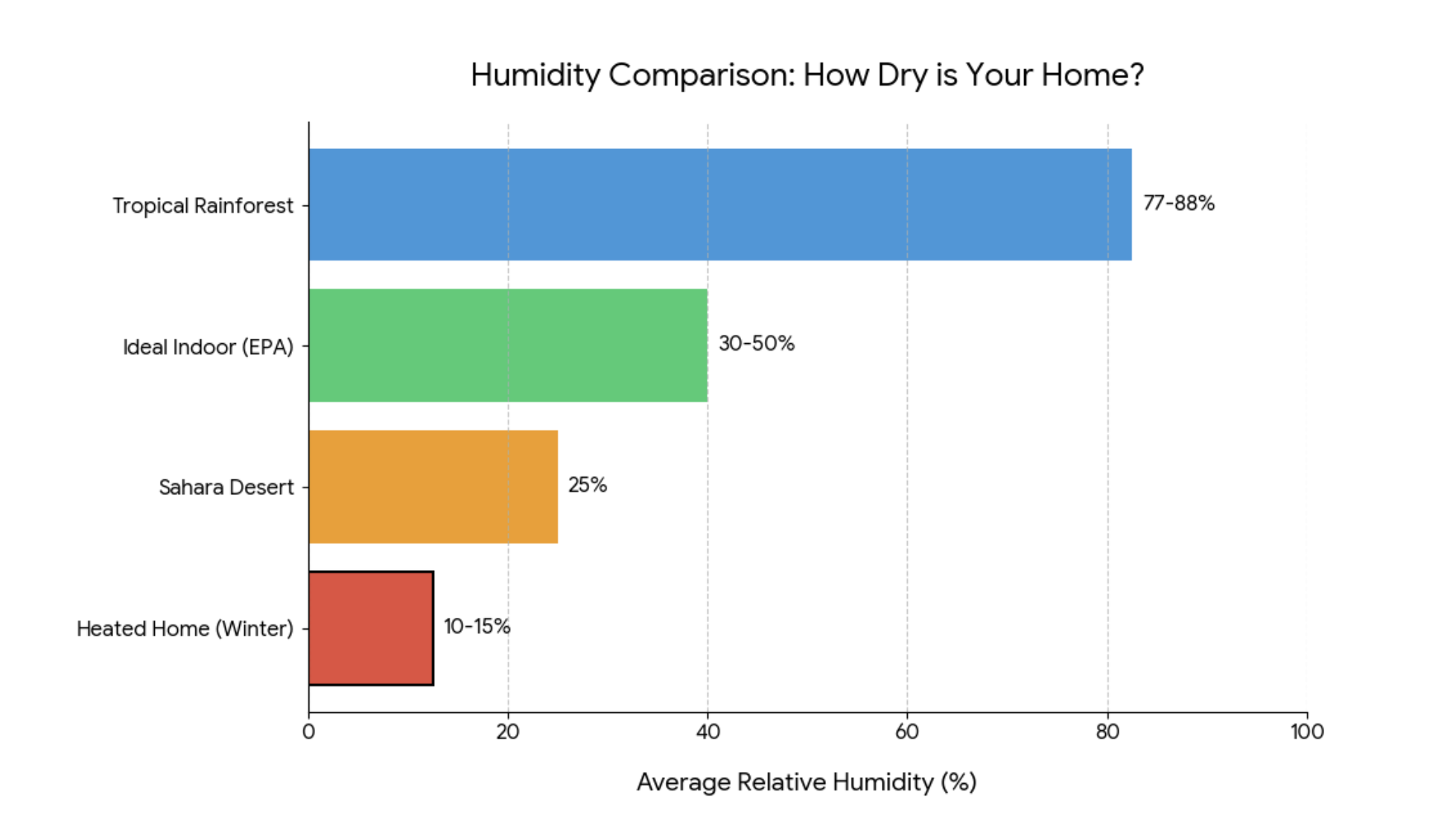
The Heater Trap: Winter air is naturally dry because cold air cannot hold much moisture. When your furnace heats cold air, it turns the air into a giant, thirsty sponge that soaks up moisture from your nose and throat. In many heated homes, humidity levels can drop below 20%,1 making your living room drier than the Sahara Desert (which averages about 25% humidity2).
-
What Happens to You: This bone-dry air acts like a sponge, pulling moisture away from your nasal lining, leaving your nasal passages parched, irritated, and congested. To compensate, your body may produce thick, sticky mucus that’s hard to clear, leading to that "stuffed up but dry" feeling.
The Naväge Survival Strategy
While humidifiers and drinking water help, they often can't keep up with the constant drying power of forced-air heat. That is where Naväge comes in.
1. Instant Refresh
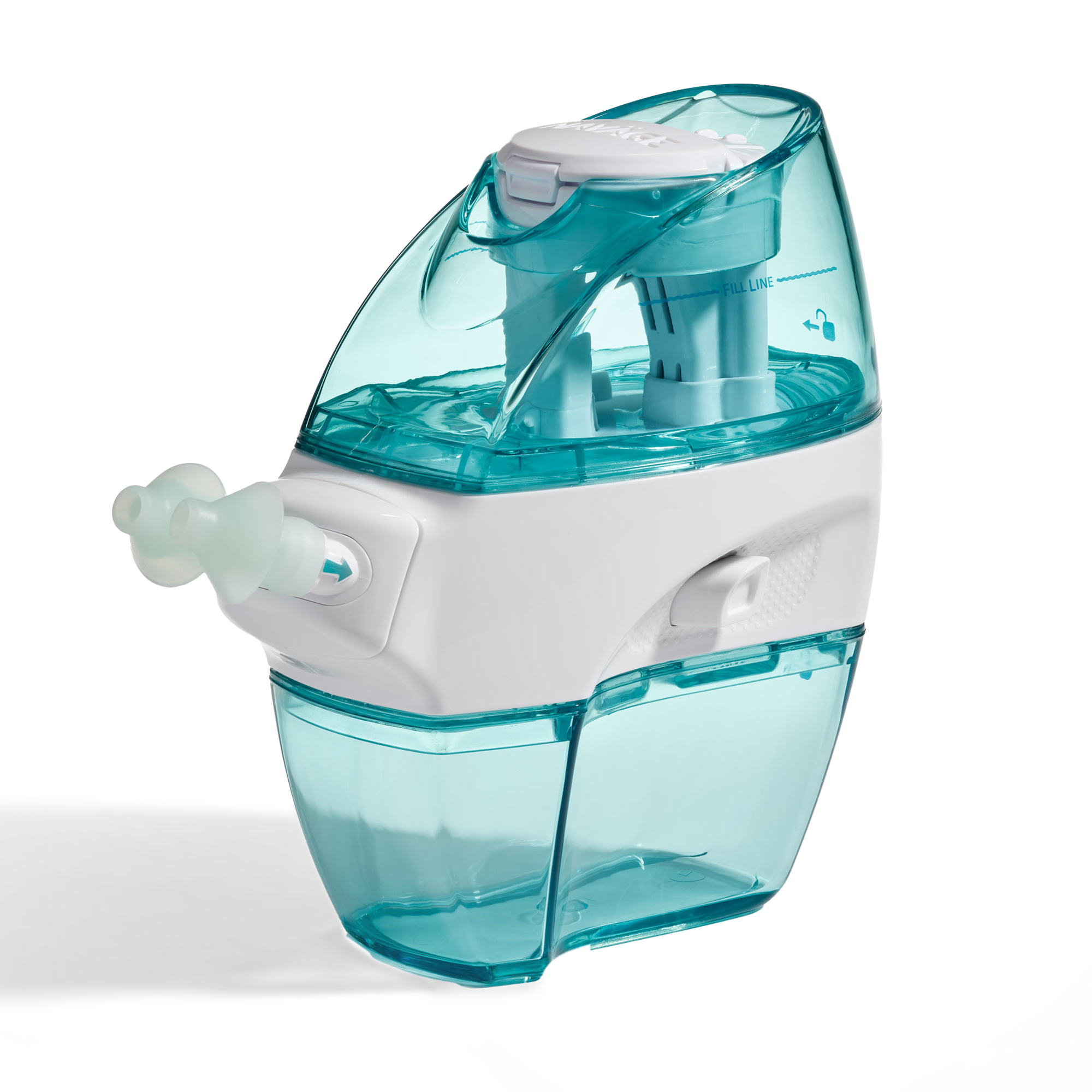
Unlike nasal sprays, Naväge uses powered suction to circulate saline through the entire nasal cavity, instantly restoring moisture to tissues dehydrated potentially by your home’s heater. “It can be a great help to wash the nose, this not only helps bringing moisture to the nose, but also by reducing the amount of irritation.” Said Dr. Howard Levine, MD, FACS, FARS, a world-renowned expert in nasal and sinus disorders. “This is especially true during the winter months when our heating systems are on and the air is dryer. The pre-mix salt pod system works best by creating a perfect isotonic solution of saline, which is a fluid similar to what is already in the body.”
2. Clearing the "Winter Build-up"
Dry air causes your body’s natural mucus to thicken, making it difficult for your system to clear itself effectively. Naväge provides a comprehensive flush that clears this stagnant debris along with indoor irritants, like dust and pet dander, that heaters constantly recirculate. By physically removing these particles, you help your nose breathe freely and feel refreshed. Emphasizing the importance of Naväge powered suction, Dr. Levine said: “In an ear, nose and throat physician's office we always use suction when we are cleaning out any material from the nose or sinuses.”
3. Maintaining the Barrier
Your nasal lining acts as your body’s primary filter, but it requires moisture to function properly. By maintaining hydrated nasal passages with a balanced saline rinse, you support your nose’s natural ability to filter the air you breathe. A hydrated nose is a more efficient nose, helping you breathe better until the spring thaw arrives.
Your Daily Winter Hydration Routine
To combat the "Indoor Desert" effectively, consistency is key. Integrating these steps into your daily schedule helps ensure your nasal system remains hydrated from the moment you wake up until you go to sleep.
-
Morning: Internal Hydration Start your day with 16 ounces of water. Before your morning coffee, rehydrating your body at a cellular level helps replenish the moisture lost to your heater overnight.
-
Daytime: Environmental Control Monitor your indoor climate. Aim to keep your home or office humidity between 30% and 50%, as recommended by the EPA. This prevents the air from becoming a "thirsty sponge" that drinks from your sinuses.
-
Evening: The Naväge Reset Perform a full saline rinse with your Naväge Nasal Care system 1–2 hours before bed. This flushes out the day’s build-up of recirculated dust and allergens while deeply rehydrating parched tissues for a more restful night’s sleep.
-
Overnight: Moisture Maintenance Run a humidifier in your bedroom on a medium setting. Providing an external source of moisture reduces the "evaporative pull" on your nose and throat while you sleep.
One of the best parts about the Naväge system is that it puts you in control of your comfort. While nature dictates the dry winter weather, if the indoor air feels particularly harsh, you can perform additional rinses whenever you need to bathe and moisturize your nasal passages.
Chart sources3
Naväge Starter Bundle
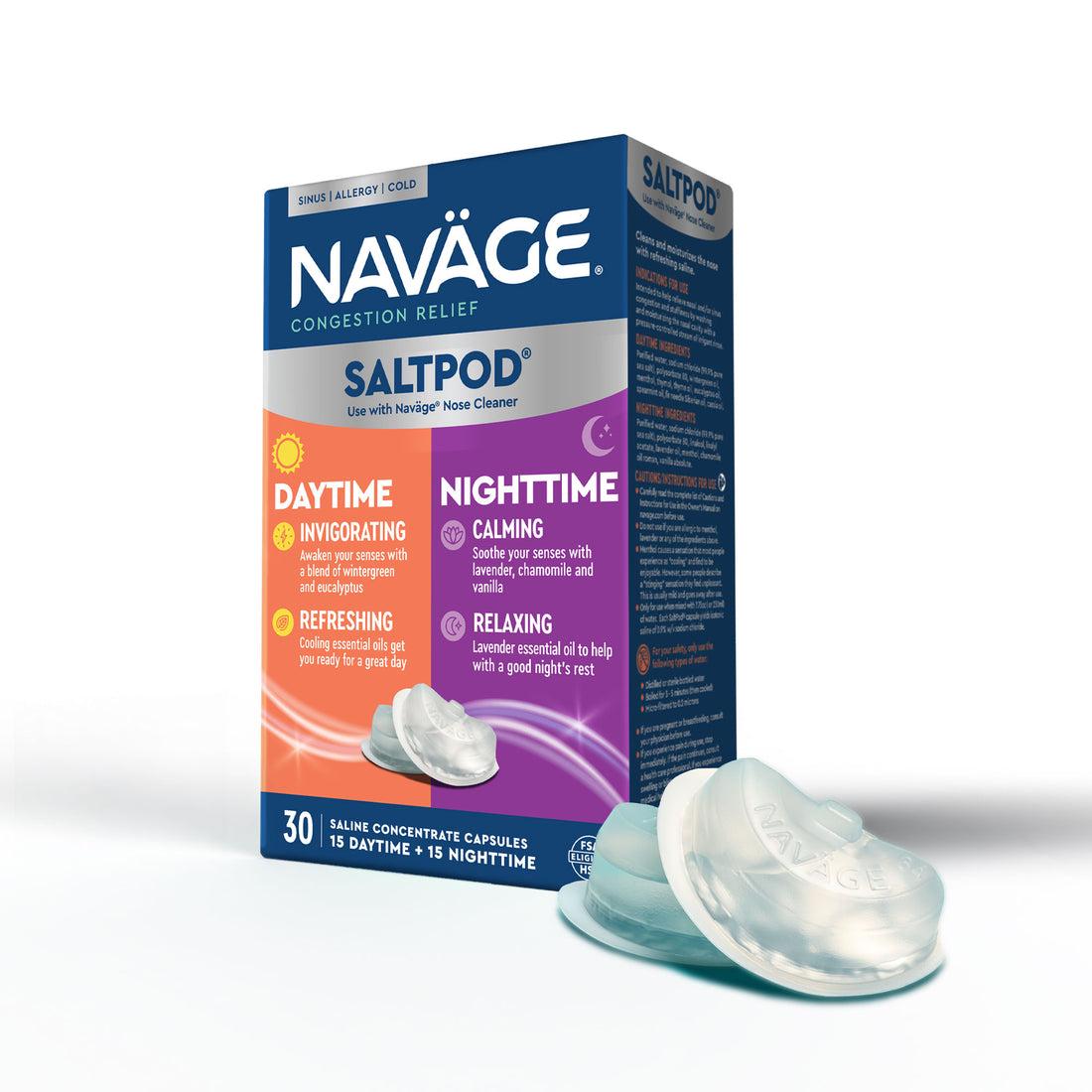
Naväge Daytime-Nighttime 30 Pack
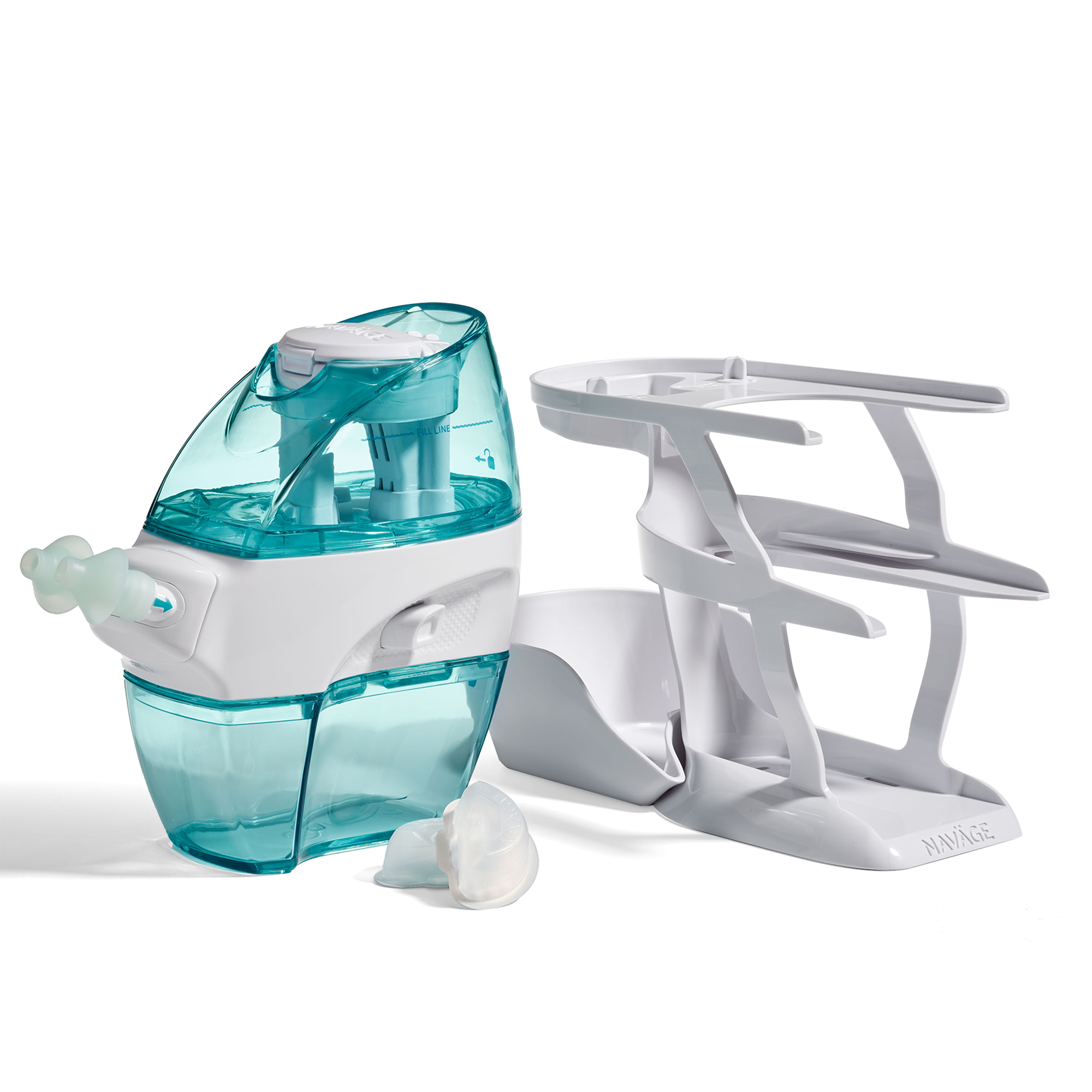
Naväge Essentials Bundle
3. https://www.epa.gov/indoor-air-quality-iaq/care-your-air-guide-indoor-air-quality, https://www.noaa.gov/jetstream/synoptic/heat-index,
https://www.carel.com/debunking-the-myths-about-humidity#:~:text=For%20example%2C%20in%20winter%20outside,relative%20humidity%20plunges%20to%207%25, https://www.oklahoman.com/story/news/1993/12/12/many-homes-are-drier-than-the-sahara-desert/62440066007/
*Updated January 2026